Wool
The material called wool has the power inherent in its raw material itself.
BONCOURA Wool
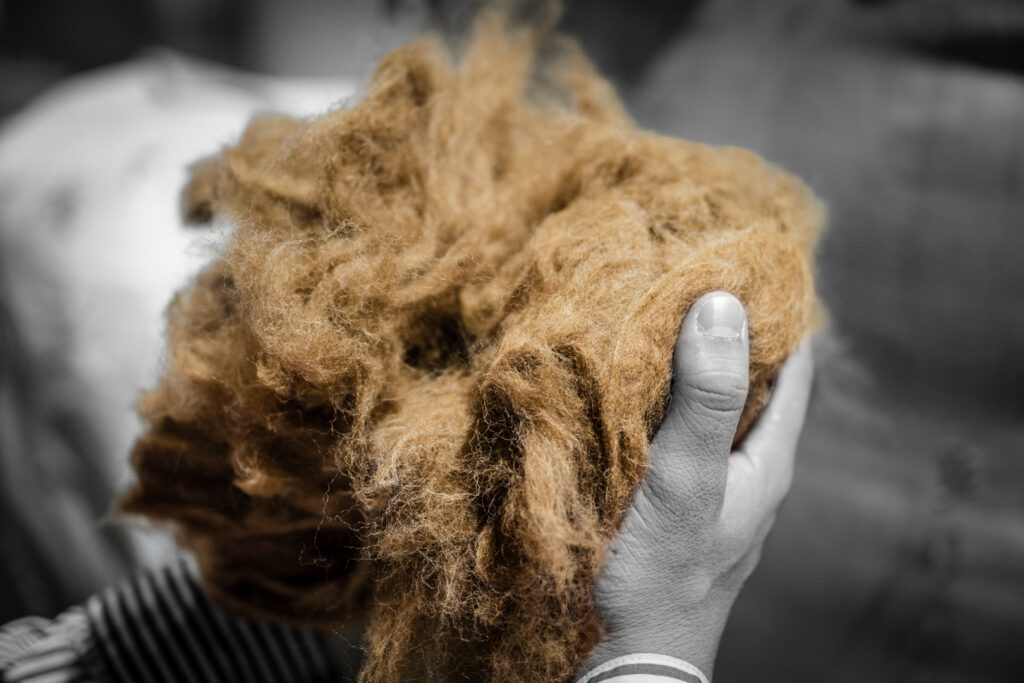
Different hair textures depend on the type and breed of the animal, as well as the land they grew on.
The thickness and length of the fibers, and how they shrink.
How to weave it, what kind of thread to use, and how to knit it?
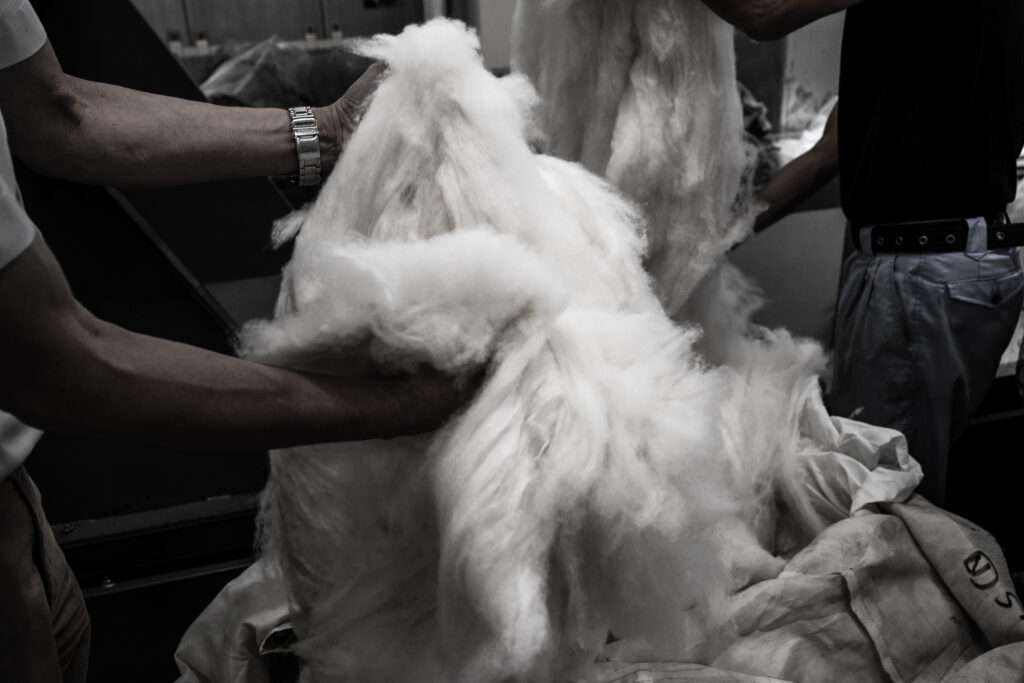
In the material commonly called wool, there are actually countless expressions.
When BONCOURA creates wool clothing, what they value most is not just softness or warmth.
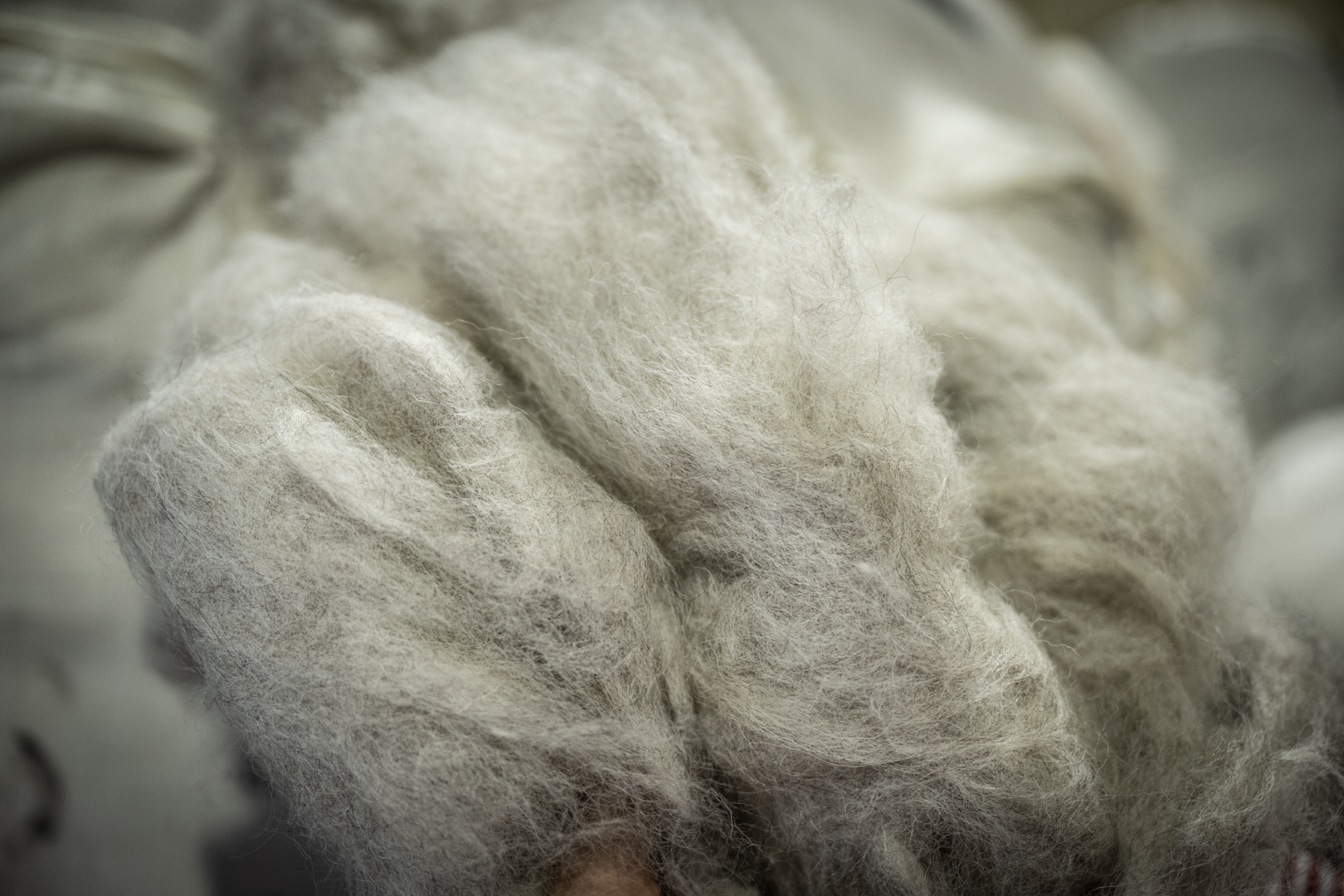
Natural unprocessed raw hair
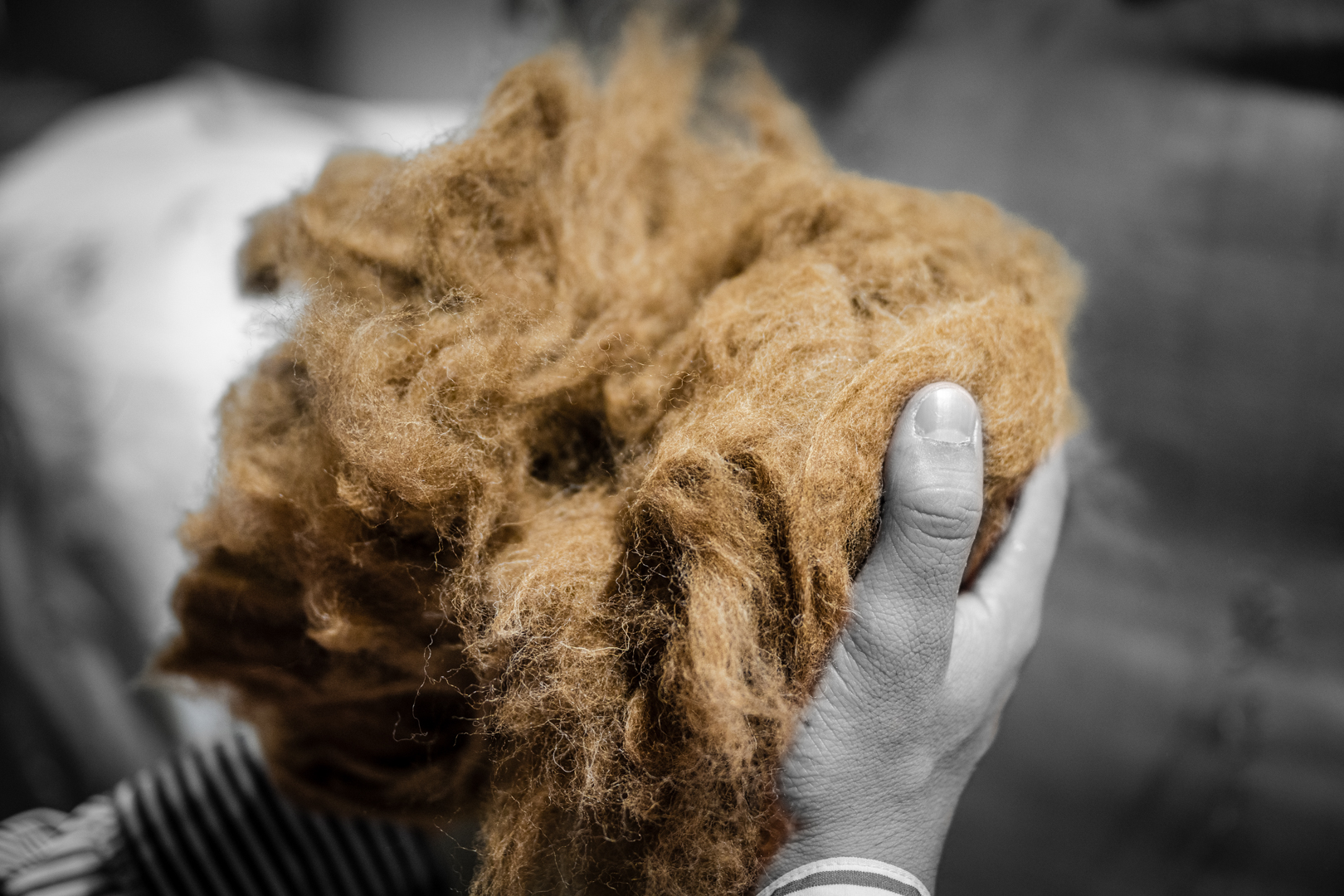
Uncolored brown raw material
The texture that becomes apparent at the raw stage.
How to combine materials with different colors and qualities?
It is a process of carefully shaping, mixing, and arranging these materials to transform them into threads.
Furthermore, how dense a thread to knit the thread and what kind of clothes it will be finished with?
Only through this accumulation does a texture emerge.
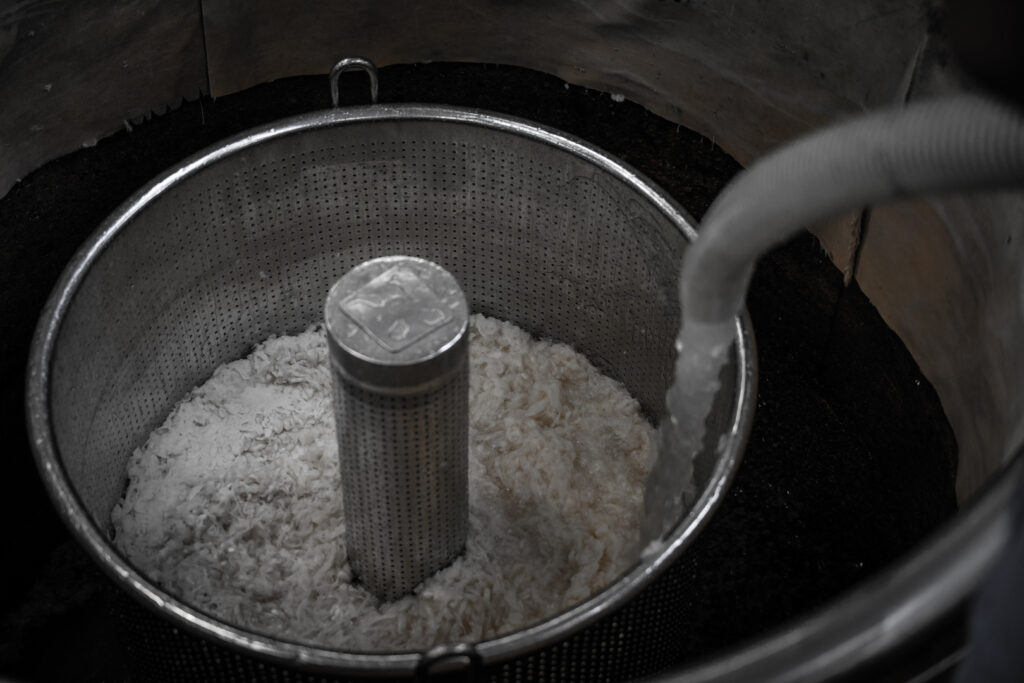
Before being spun into yarn, raw material can be prepared by washing, degreasing, dyeing, and other processes.
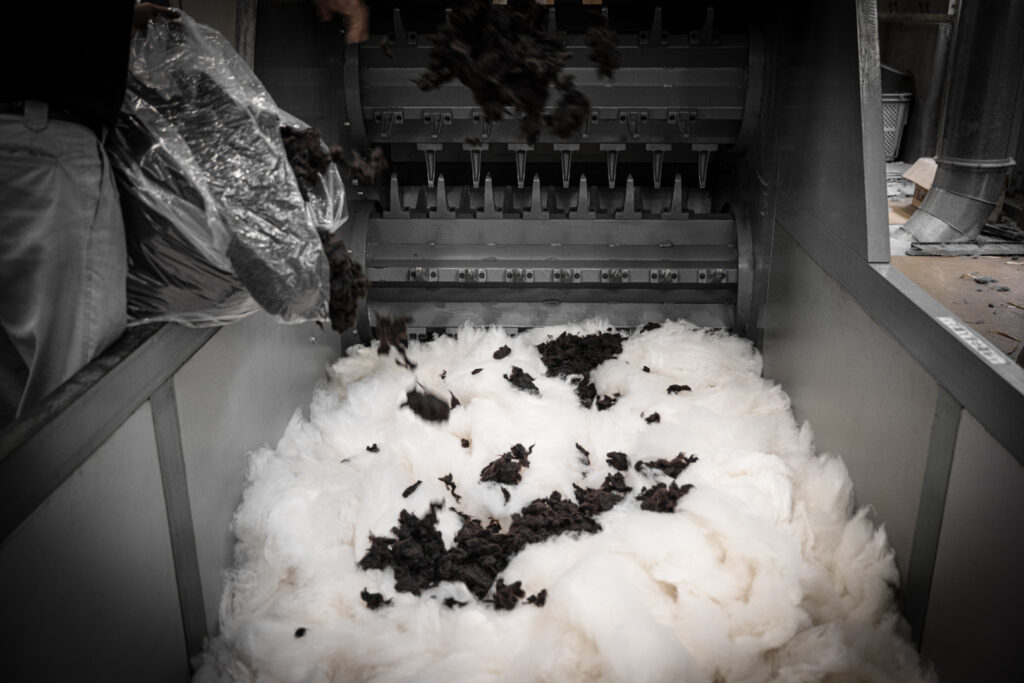
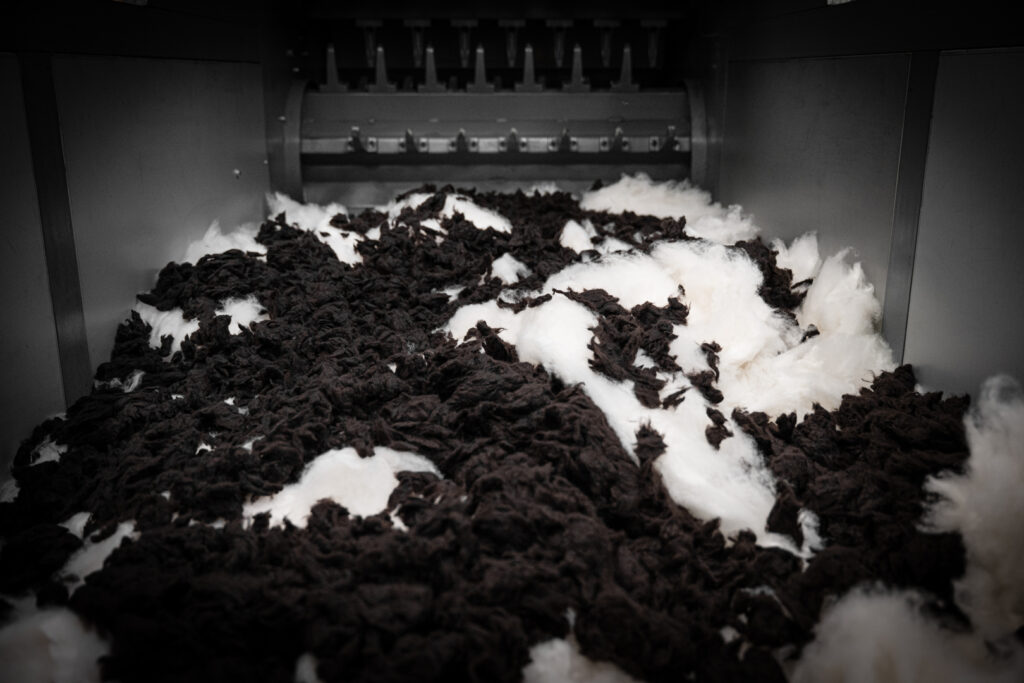
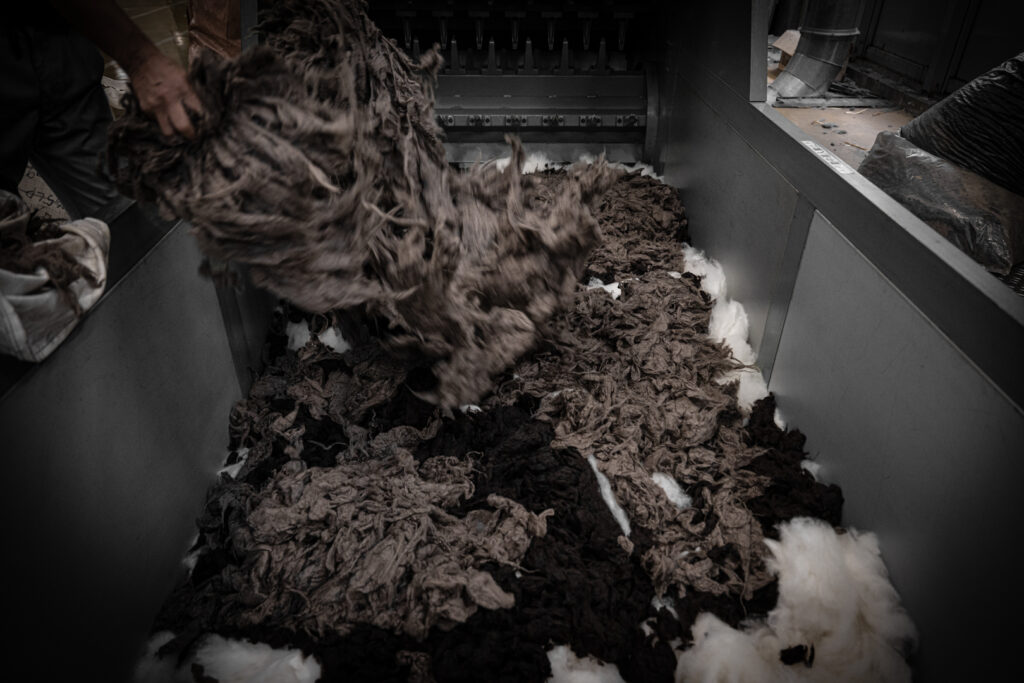
At BONCOURA, we do not view wool as just a "winter material."
We approach the raw materials with a thorough approach from the very beginning, and strive to incorporate the inherent strengths of the materials into our clothes as authentically as possible.
Therefore, we do not skip any necessary steps and put careful effort into the details that cannot be seen just by looking at the product.
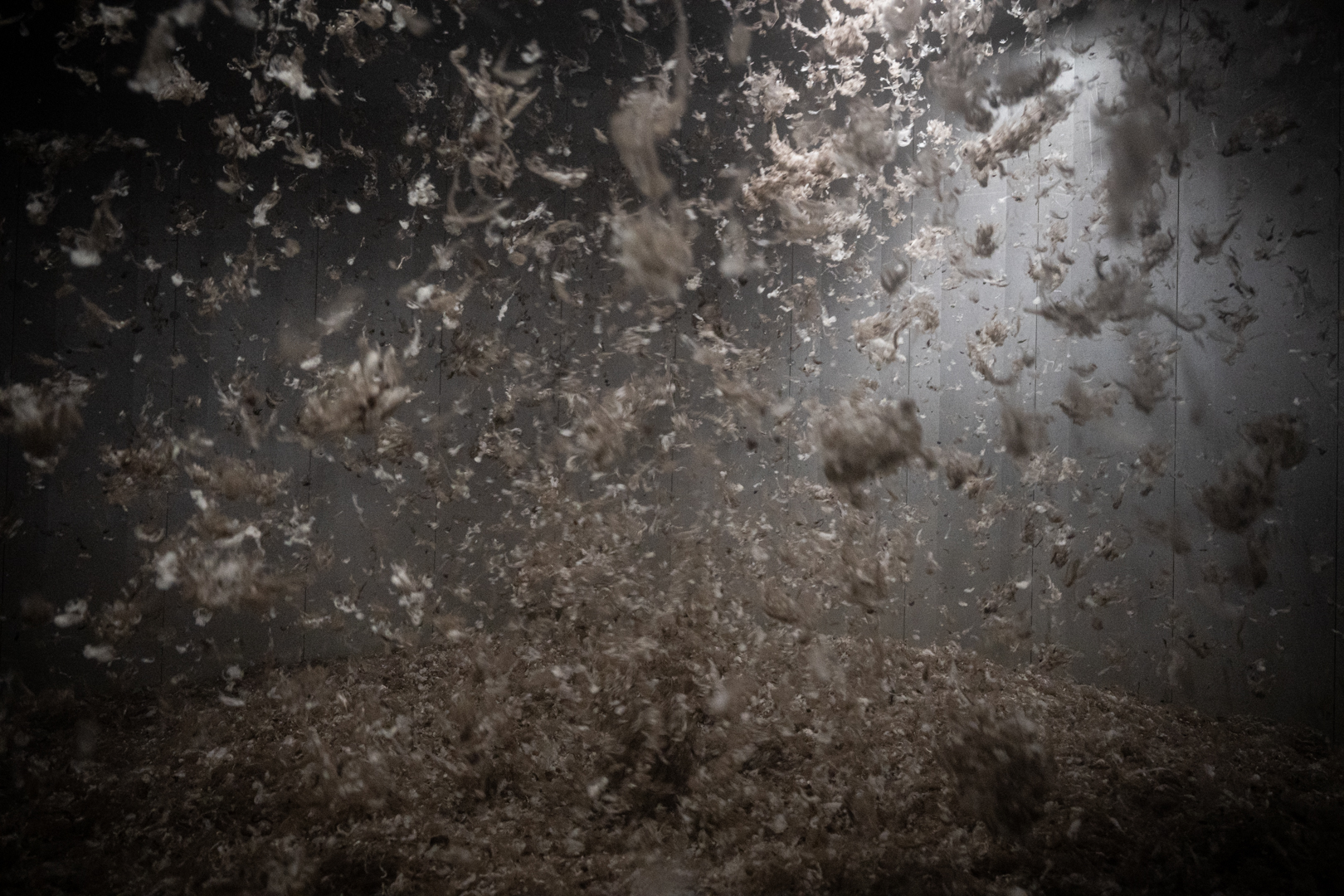
Mix the raw ingredients together
The raw hair can be either fluffy white raw hair or raw hair with deep colors.
By blending them together while discerning their individual characteristics, the depth and richer expression that cannot be achieved with a single color are created.
The mixed raw material is then moved on to the next process to make it more uniform.
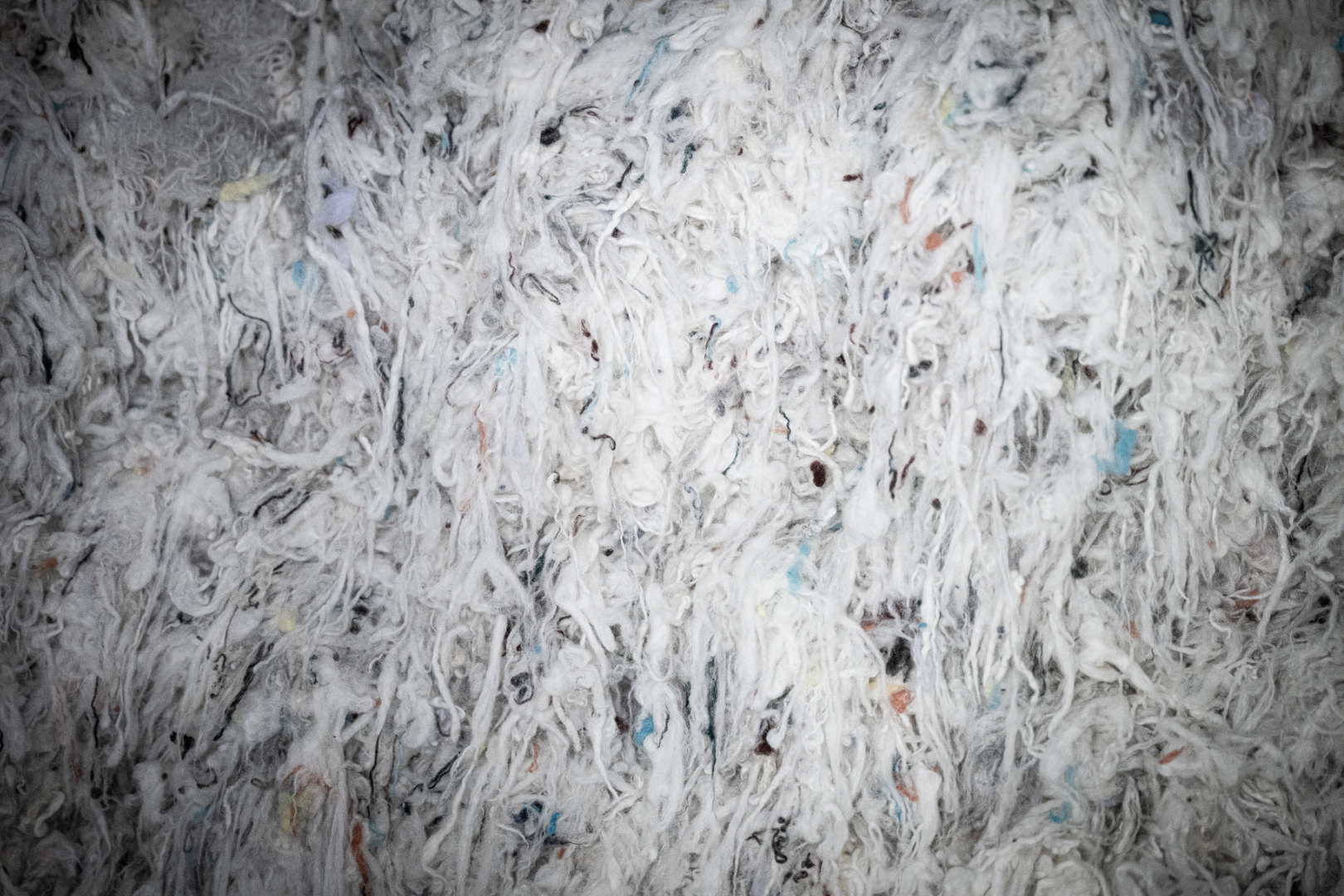
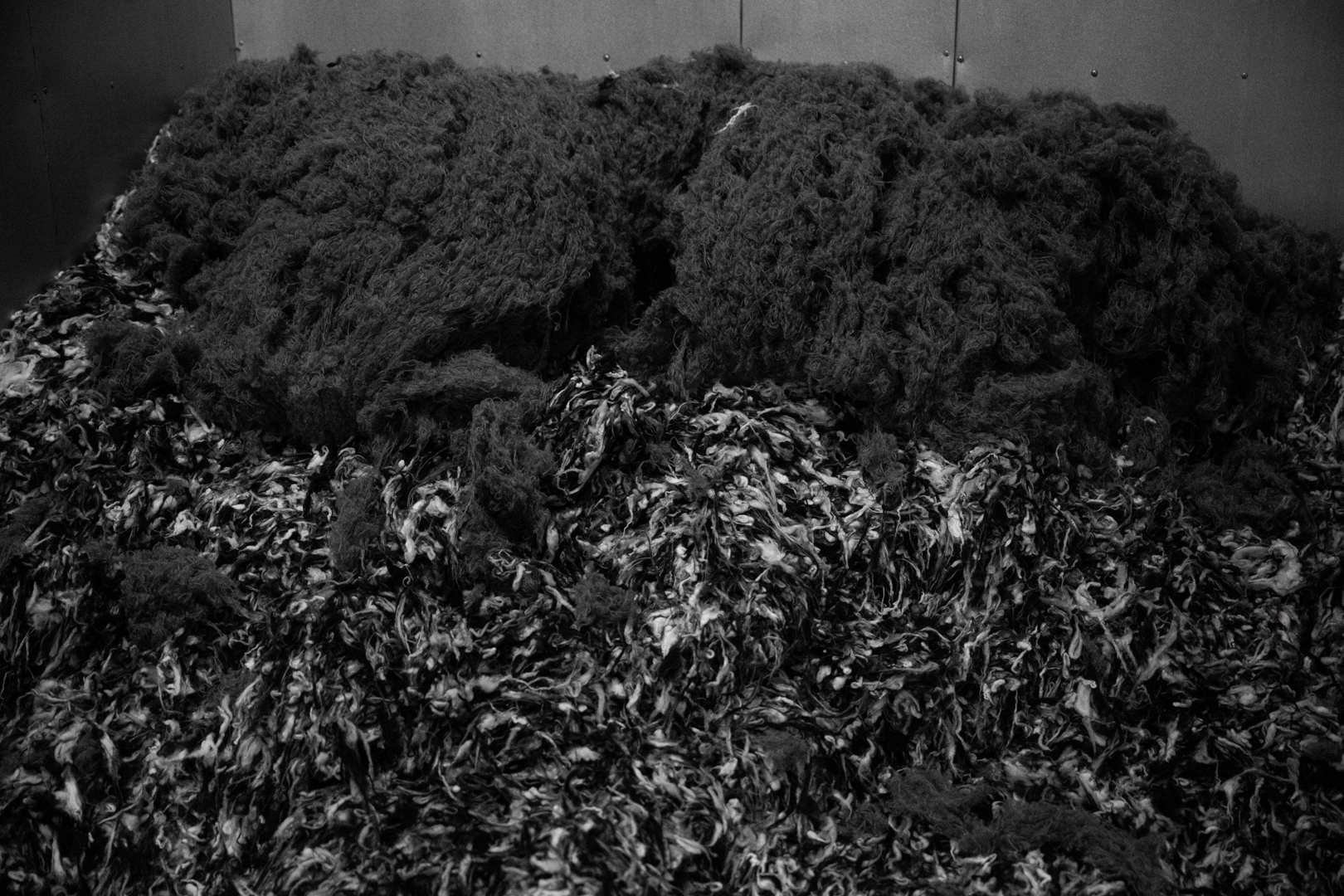
It's not just about matching colors; it's also a process of designing the texture.
From fiber to thread
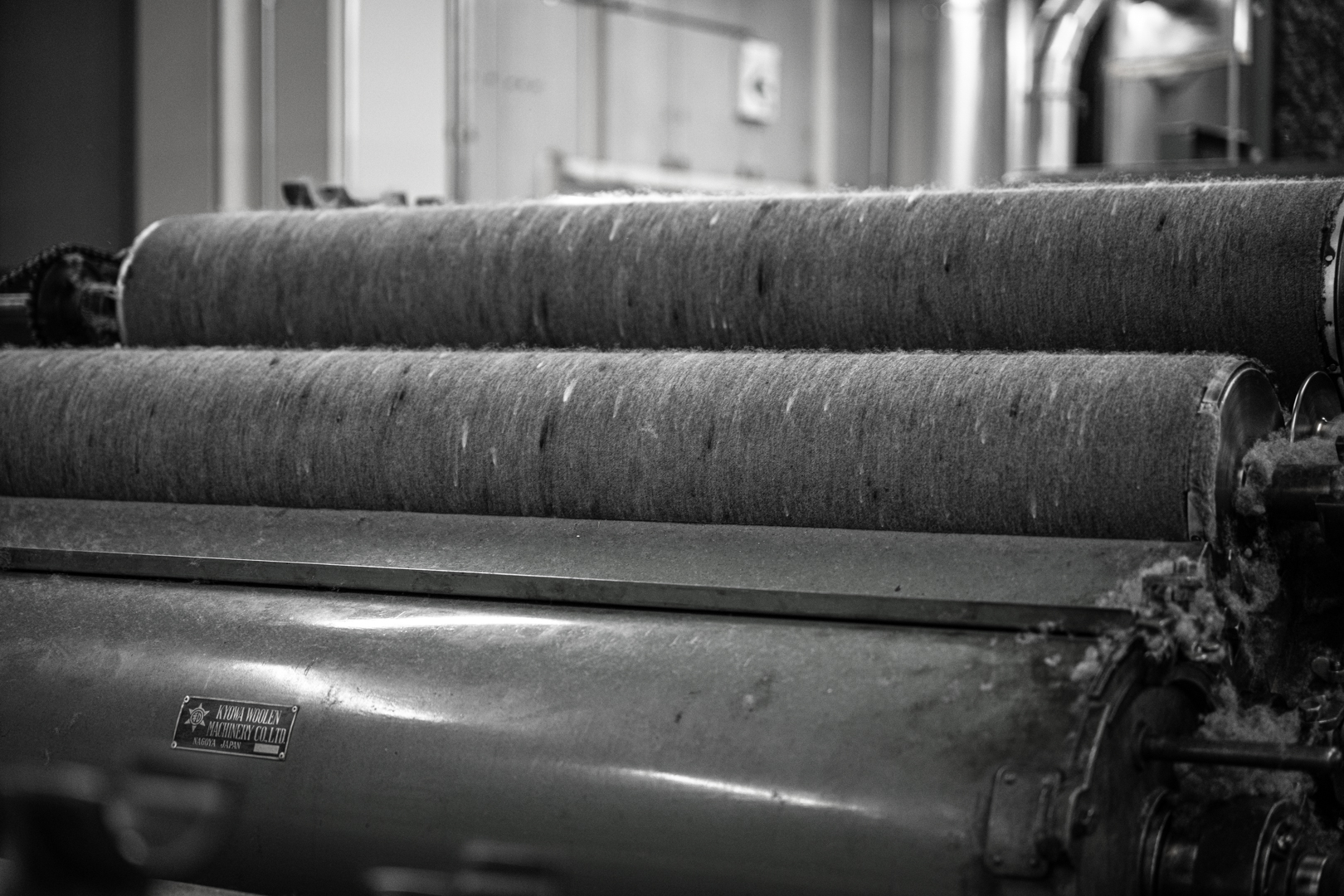
What was once lumps gradually becomes more uniform.
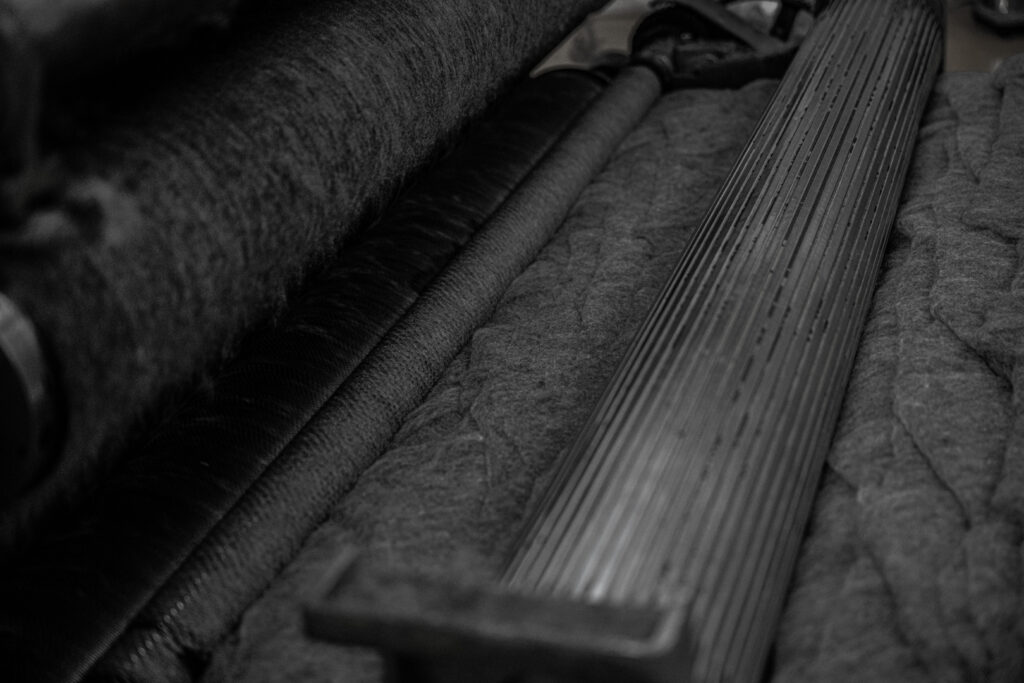
The raw material is further processed to smooth out the fibers and eliminate imperfections, gradually bringing it closer to the desired thread shape.
While leaving some puffiness, don't over-smooth it too much.
By doing this, the yarn becomes something that, while still being a finished product for industrial use, has a somewhat natural depth to it.
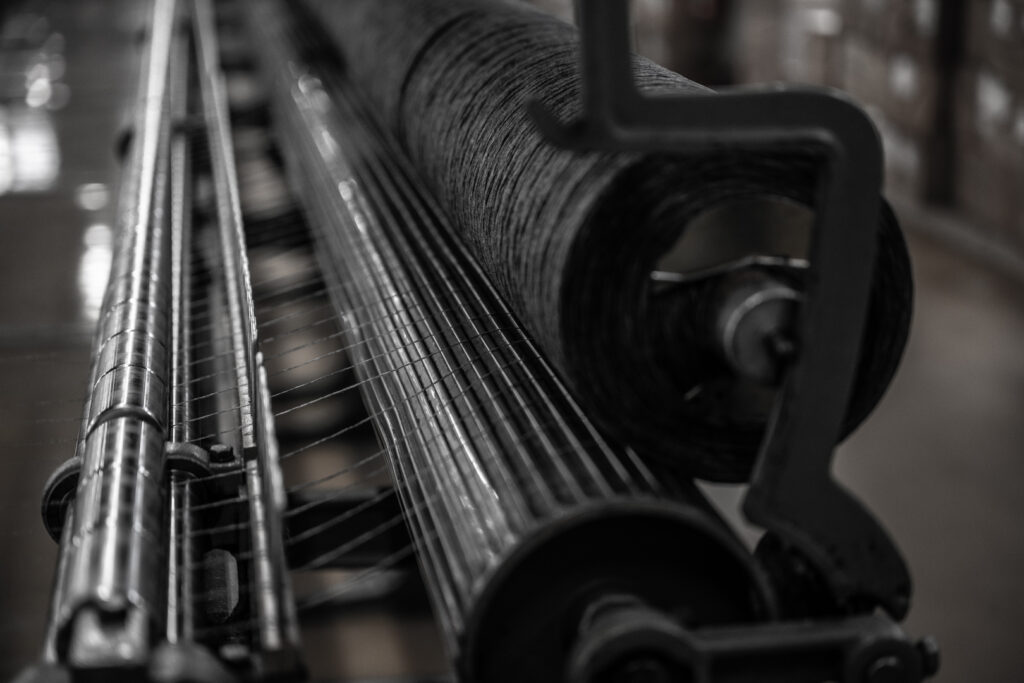
This process changes the texture of the yarn, as well as the unevenness of the raw material, depending on how uniformly it is made.
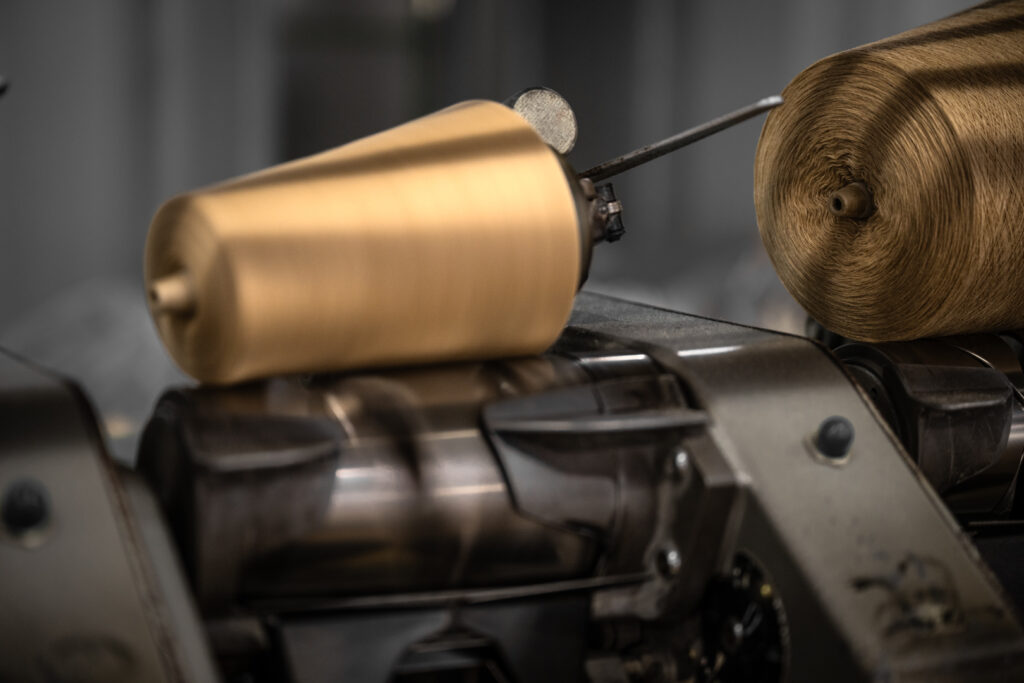
The fabrics and knitwear created from that thread have a texture that is not just superficial softness; it also has a core.
The reassuring feeling of being enveloped as soon as you put it on, and the sensation of becoming more and more comfortable with it as you wear it.
Wool changes its appearance slightly with repeated wear, and over time, the person who wears it creates a distinctive look for the garment.
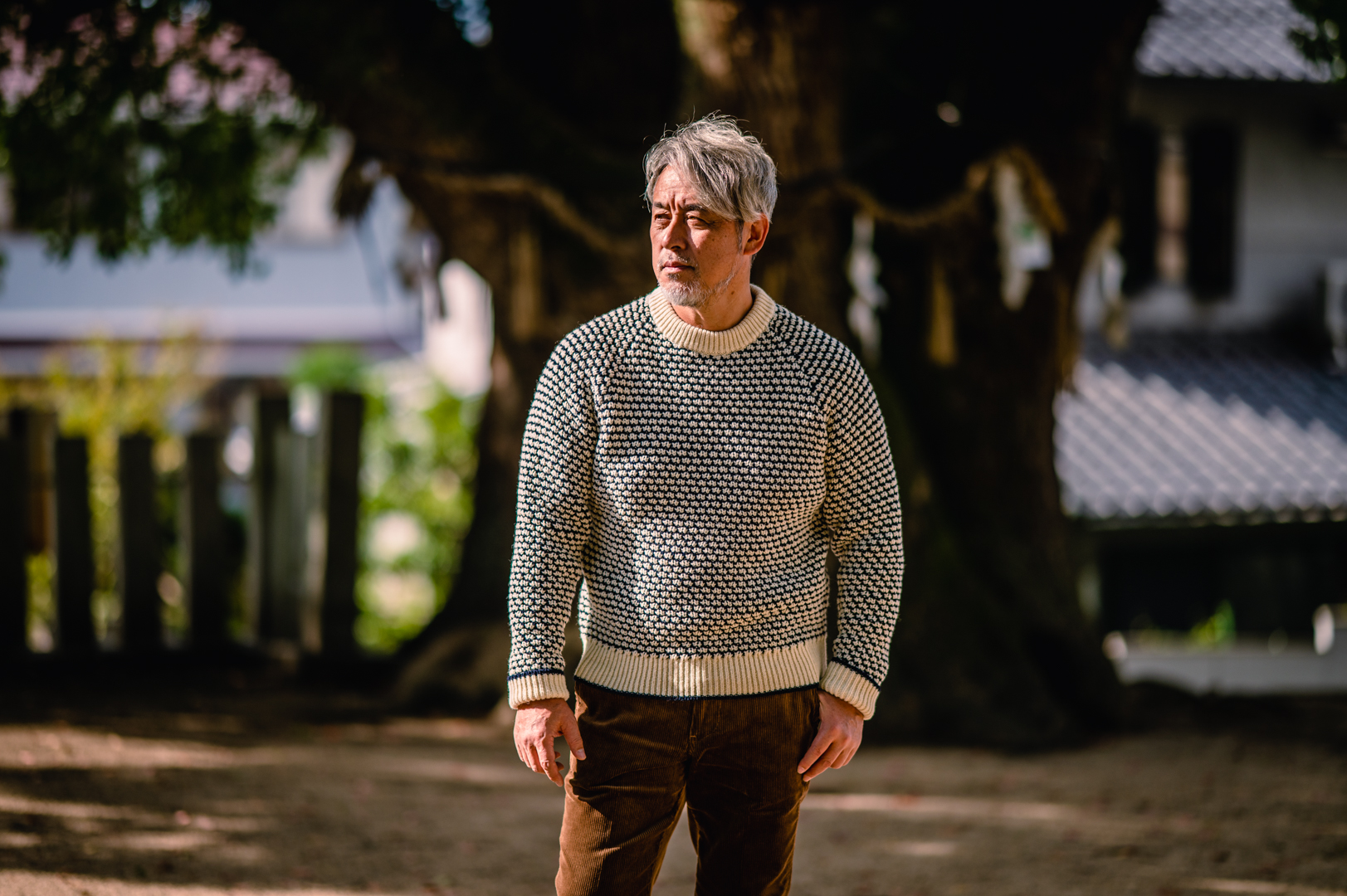
The knitwear and sweaters from BONCOURA use high-quality wool in abundance.
If you aim for a similar look, you can still shape it with even less raw material.
However, the warmth when you actually put them on, the texture when you touch them, and the satisfaction you feel when wearing them are completely different.
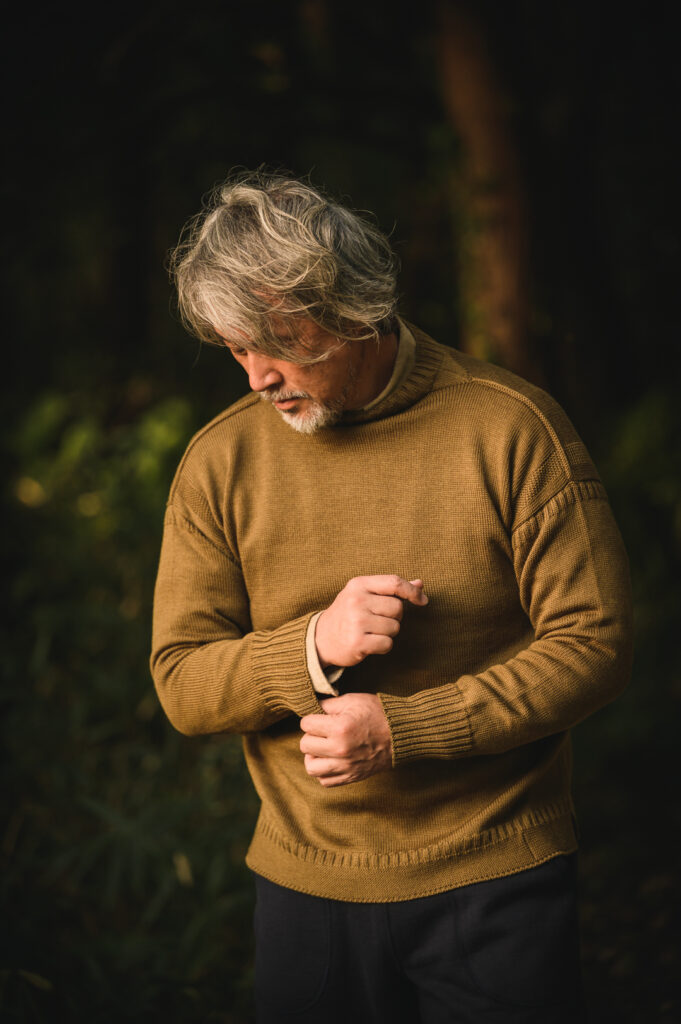
What we value most is the quality and feel of the product first and foremost.
By threading the yarn tightly through the eye, you can increase the insulation and make it less likely to form tangles.
Furthermore, although there are differences depending on the type of raw material used, compared to common types, these are less prone to stretching and can be worn for a long time.
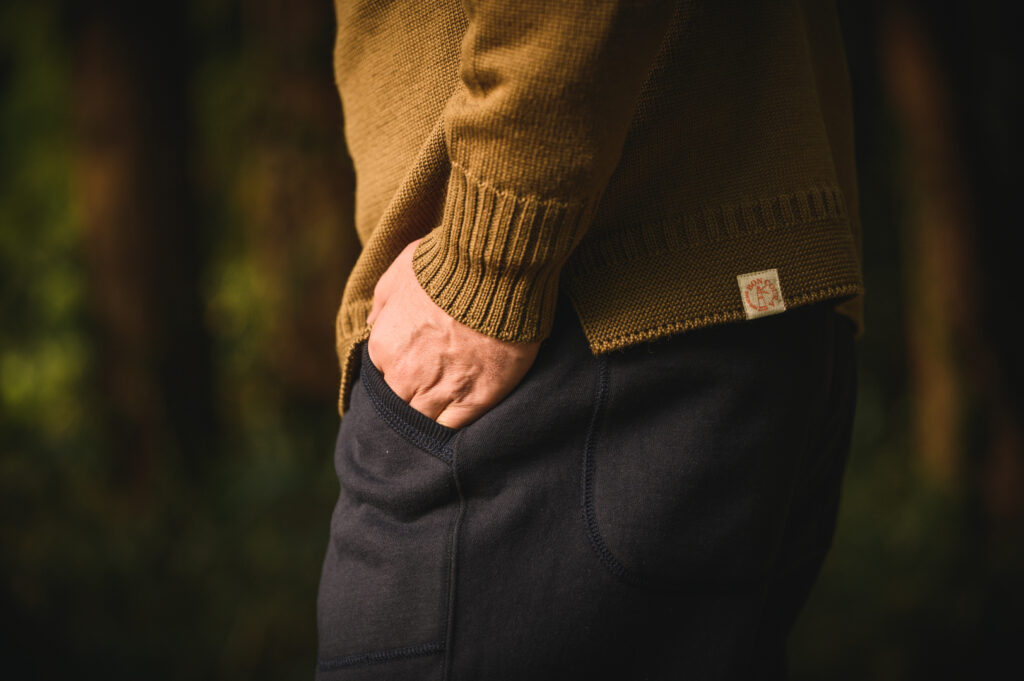
Vintage wool knitwear has a solid level of warmth and a unique sense of presence.
On the other hand, there are also many items that feel heavy or hard.
At BONCOURA, we carefully select the raw materials and use them sparingly, ensuring a strong presence while maintaining a comfortable fit that naturally adapts to the body without weighing it down.
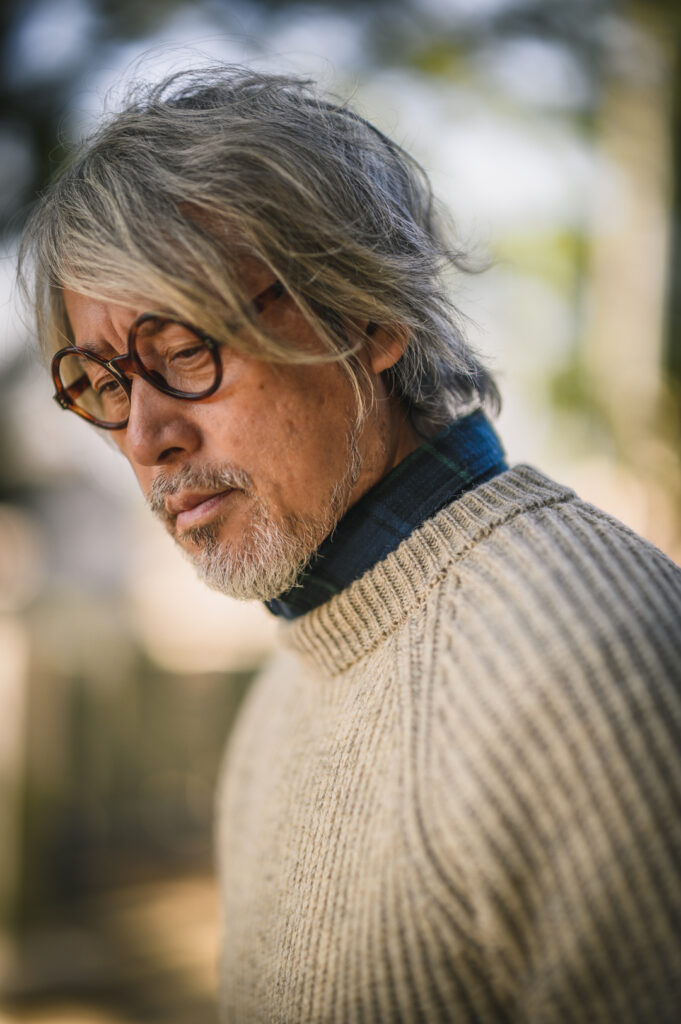
The difference that can only be seen by wearing the clothes is something you can truly feel only when you put them on.
An air-filled bulge.
Dense knit fabric.
It's not excessive, but it definitely feels warm.
The contours become more refined as you continue to wear it.
These individual elements combine to form the shape of BONCOURA’s wool.
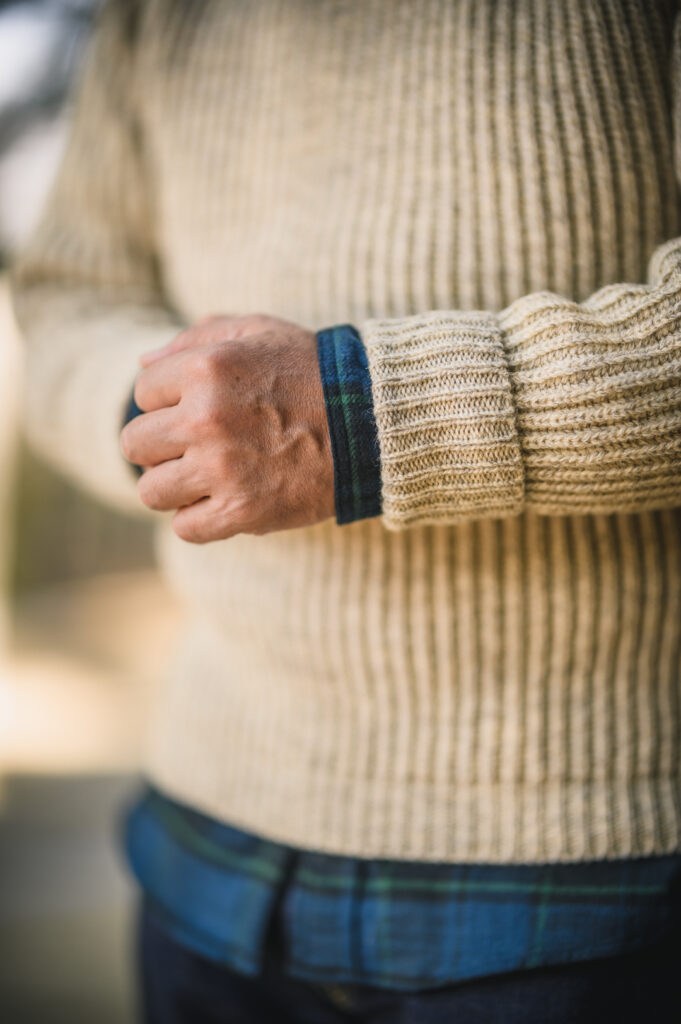
For us, wool is not just a material for keeping warm.
We look at the raw material, build up the process, become thread, become fabric, and then become a single garment.
There is meaning in every aspect of that process, and this material allows us to accept the time of those who will wear it in the future.
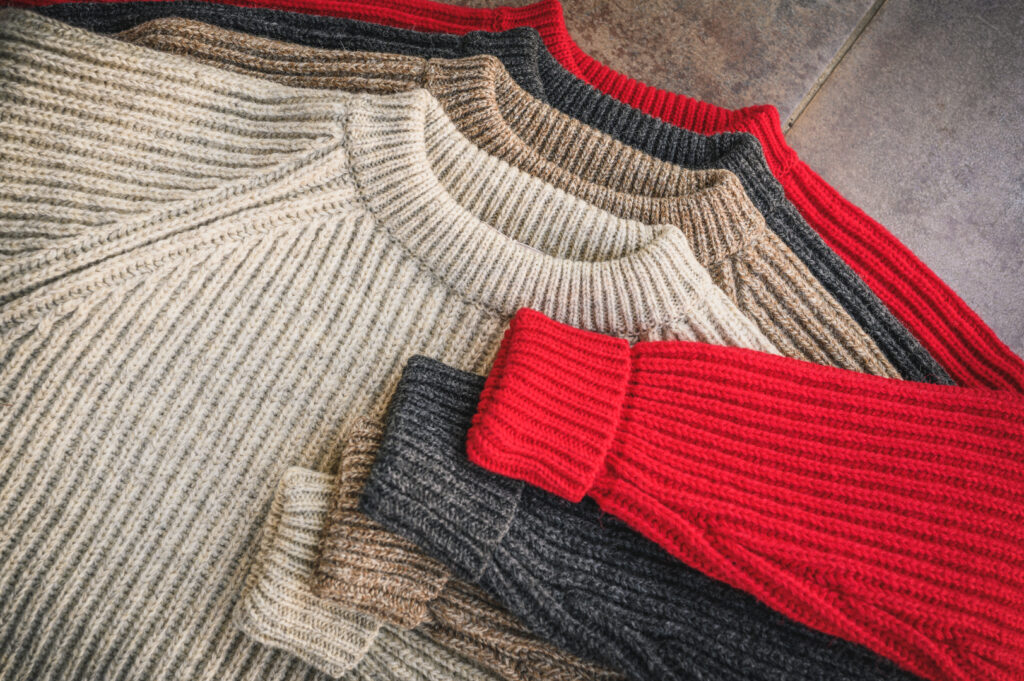
With long-term wear, you gradually come to understand its benefits.
The wool from BONCOURA has that depth that only such a material can have.
It's not just denim
BONCOURA's Commitment
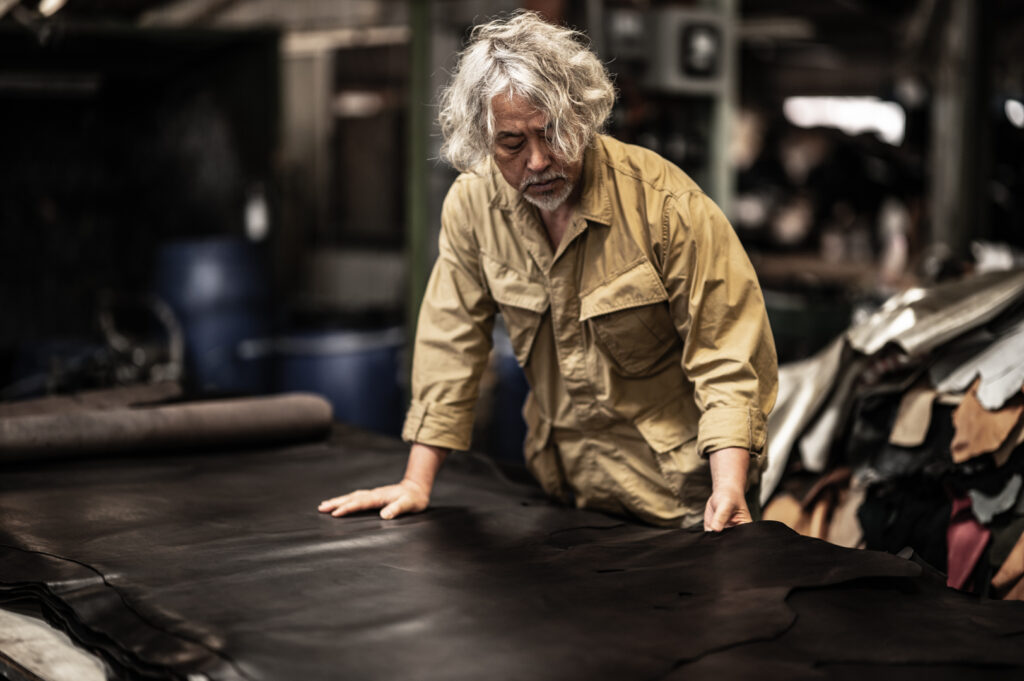
Facing leather, repeating trial and error,
While collaborating with the tanner, we prototyped original tanning methods.
By changing the tanning design and finish for each item,
Each model is finished with appropriate leather.
BONCOURA Leather, Starting with Tanning
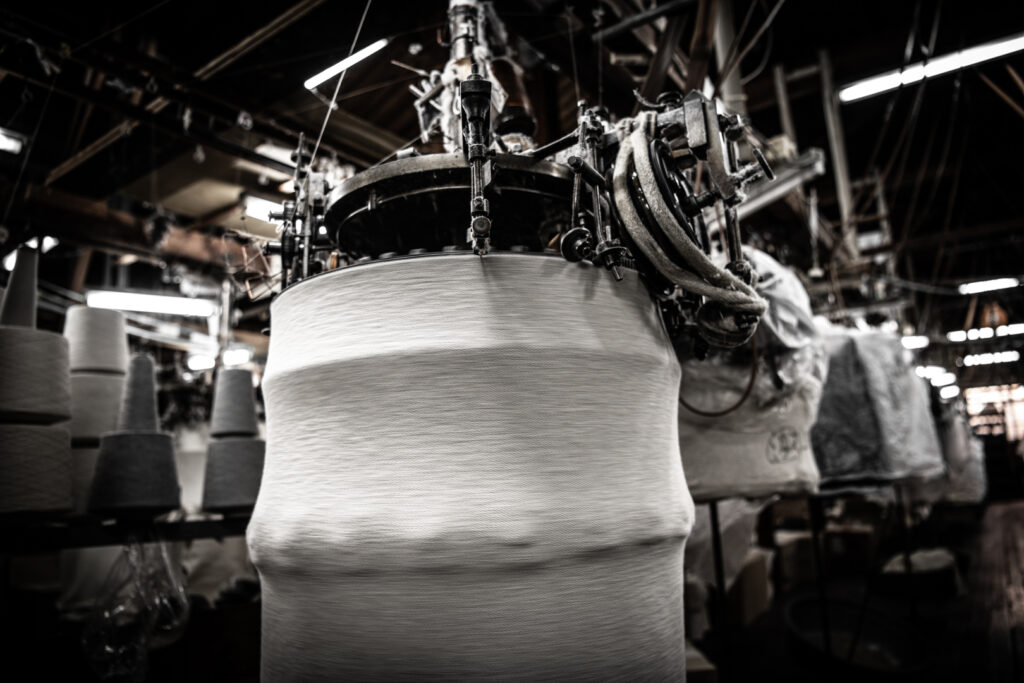
Because it touches your skin, we are particular about everything from the cotton blend to the yarn twist.
Moku carefully adjusted even the way the colors blended,
The fabric knitted slowly on an old-fashioned circular knitting machine is
The unique finish of the fluffy, chewy loopback fabric is unparalleled.
BONCOURA Sweatshirt with Air Content
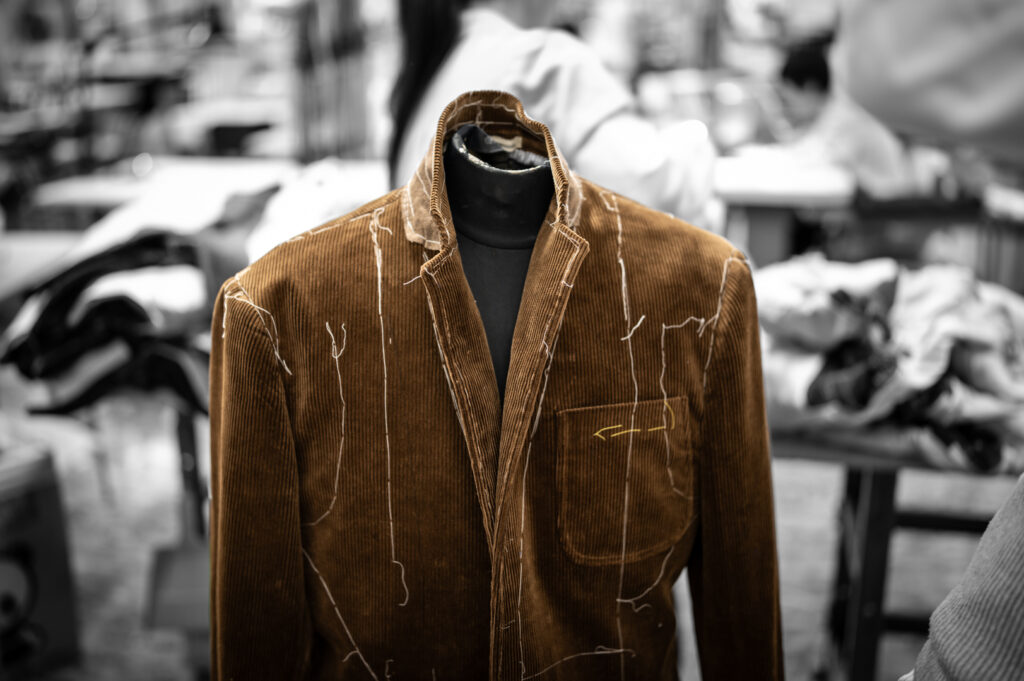
A seasoned craftsman surpasses ordinary processes by more than double,
The difference is more apparent when worn rather than when hung on a hanger.
Carefully pressing the fabric after each sewing stage, we transform a 2D pattern into a 3D garment,
We create jackets that become more comfortable with wear, accompanying you through life.
BONCOURA Tailored Jacket, Supported by Handcraft
The material called wool has the power inherent in its raw material itself.
BONCOURA Wool

Access
OPEN
Saturday and Sunday / 12:00 PM - 7:00 PM
BONCOURA SALONは
We are basically open only on weekends (Saturdays and Sundays).
ADDRESS
4-17-21 Ōgata, Kashiwara, OsakaGoogle MAP
JR Yamatoji Line, about a 10-minute walk from Kashiwara Station
(40 minutes by train from Osaka Station / 1 transfer)
5 minutes on foot from Kintetsu Osaka Line Katashimo Station
(45 minutes by train from Osaka Station / 1 transfer)
Parking space for 2 cars available